 Creative Studio & Contemporary Art Gallery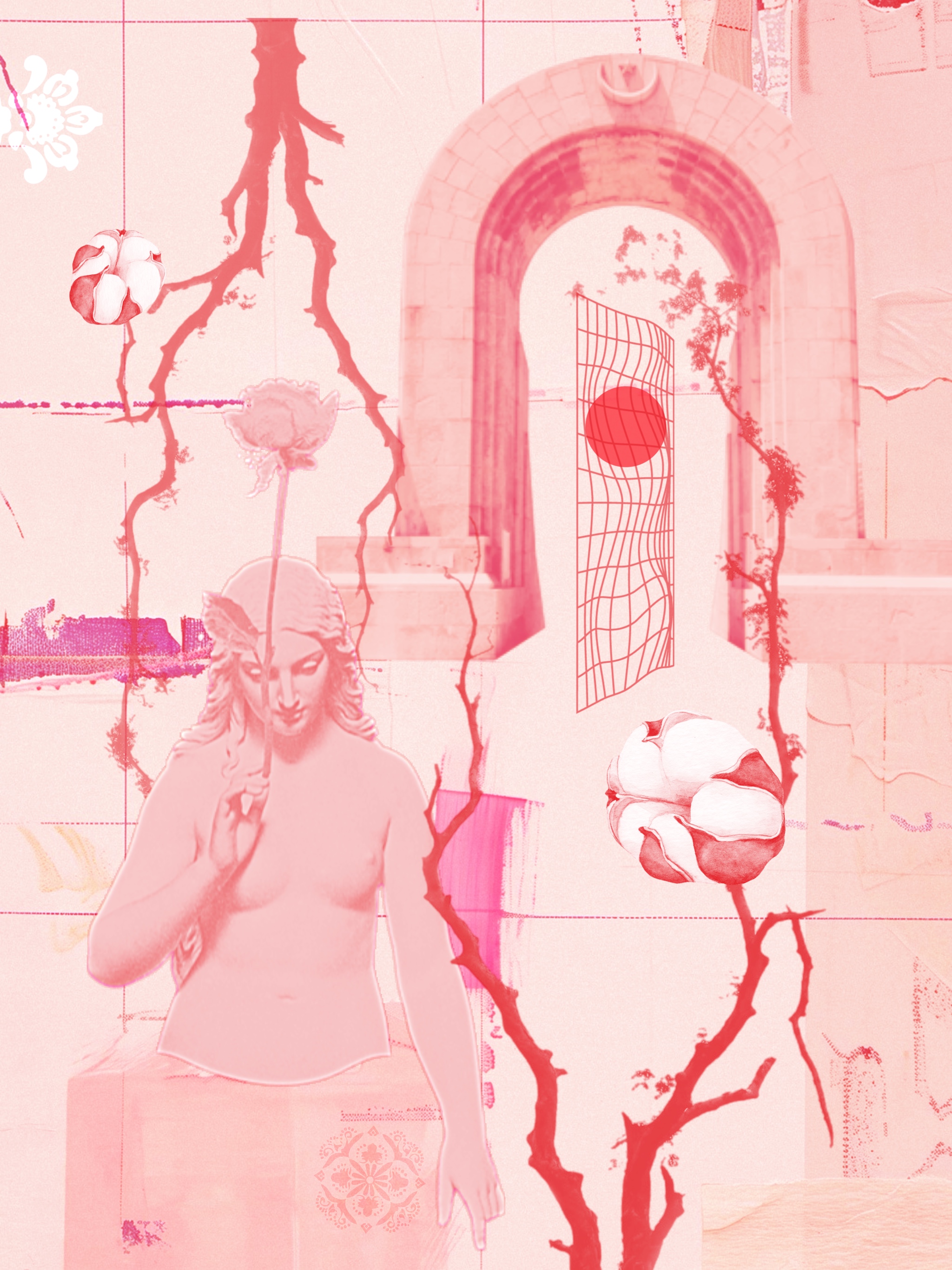
Catalog Artist · Gea Vision Gallery
Latinka
Marina Latinovich · Austria · b. 1970
Full Name
Marina Latinovich
Born
August 1, 1970
Residence
Austria
Technique
Digital Illustration, Digital Collage, Animation
Medium
Mixed Media, NFT, Fine Art Print
Selected Exhibitions
NFT Expo New York
Work featured on official admission tickets and Times Square screens
Art Basel, Switzerland
Featured group exhibition
Private Galleries
Vienna · Berlin · Dubai · Switzerland · Grenada
MART Magazine
Published in the online magazine dedicated to contemporary collage artists
Global Exhibitions
London · Paris · Lisbon · New York · Montreal · Bangkok
Artist Statement
Marina Latinovich (Latinka) is a digital artist, illustrator, and collage creator whose works explore emotion, intuition, and the invisible threads that connect inner and outer worlds.
Her artistic path began in childhood, graduating from art school and immersing herself in creative workshops. Though she later pursued a degree in pharmacy and built a successful career in the pharmaceutical field, her true calling — art — eventually led her back to creation.
After moving to Austria and becoming a mother of two daughters, Marina experienced a profound personal transformation that reignited her creative spirit. She went on to study fashion illustration, animation, digital collage, and graphic design, rediscovering her authentic artistic voice.
For Marina, art is more than visual expression — it is a form of breathing, a translation of the unseen into form. Each work becomes a dialogue between the tangible and the intuitive, a visual reflection of emotion, silence, and self-discovery.
Portfolio
Available Works
Unique edition digital art. Contact the gallery for acquisition.
Mixed Media
Digital Faith
As faith shifts from churches to the internet, "Digital Faith" reflects the gradual shift away from the invisible algorithms that shape modern life. A shining symbol of crisis becomes a new icon — both a promise and a warning — revealing how technology transcends the utilitarian and embraces a spiritual dimension. The painting invites the viewer to consider: why do we truly worship — progress, power, or the illusion of control?